Introduction
In a progressively competitive job market, the lines in between education and useful work experience are ending up being more blurred. Experts look for ways to boost their certifications without going back to school full-time. This is where the concept of transforming work experience into academic credit enters into play. By leveraging evaluation procedures, people can turn their real-world abilities and experiences into recognized academic qualifications. This article will look into how scholastic credential evaluation, worldwide credential assessment services, course-by-course credential examination, and other kinds of assessment can assist bridge this gap.
Transforming Work Experience into Academic Credit: The Power of Evaluation
The concept that work experience can be equated into scholastic credit is not simply an unique idea; it's a requirement in today's fast-paced world. Lots of experts possess knowledge and abilities obtained through years of hands-on experience that standard academic systems may overlook. The process begins with understanding how various types of examination can validate this experience and provide meaningful scholastic credit.
Understanding Academic Credential Evaluation
What is Academic Credential Evaluation?
Academic credential evaluation refers to the process of evaluating a person's academic certifications from one institution versus the requirements set by another institution or nation. This process is essential for people wanting to enhance their education or protected employment in different geographical regions.
Why is Academic Credential Evaluation Important?
Global Recognition: With more individuals migrating for work, having actually a worldwide recognized certification becomes crucial. Job Opportunities: Companies are most likely to hire prospects whose credentials have actually been validated. Further Education: Institutions typically require an examination before confessing trainees from various educational backgrounds.Types of Credential Evaluations
International Credential Evaluation Services
These services specialize in examining foreign educational documents and https://emilianopjwc071.lowescouponn.com/your-guide-to-academic-credential-evaluation-for-international-trainees translating them according to local standards. They assist ensure that prospects satisfy the necessary requirements for expert licenses, university admissions, or job placements.
Course-by-Course Credential Evaluation
This approach breaks down each course taken during one's studies, offering in-depth insights into grades made and content covered. It's especially helpful for those who want to declare specific credits based on individual course equivalencies.
Work Experience Examination: What Does it Entail?
Work experience examination evaluates a candidate's professional background and skills acquired through work instead of traditional class learning.
How is Work Experience Evaluated?
Skill Assessment: Identifying relevant abilities that refer academic programs. Documentation Review: Analyzing resumes, job descriptions, efficiency reviews, and certifications. Expert Opinion Letters: These letters from previous employers or industry professionals can validate claims about one's skills.The Function of Expert Opinion Letters in Examining Work Experience
A specialist opinion letter acts as an official validation of a prospect's work history and competencies from somebody acknowledged in the field.
Why are Specialist Viewpoint Letters Valuable?
- They offer reputable third-party verification. They offer insight into how particular work experiences align with academic standards. They boost applications for educational programs or expert licenses.
Integrating Work Experience with Academic Programs
How Can One Transform Work Experience into Academic Credit?
Turning practical experience into academic credit includes several steps:
Identify Pertinent Experiences: Pinpoint particular tasks or roles that relate directly to the courses you wish to receive credit for. Gather Documentation: Collect all required documents-- resumes, job descriptions, performance assessments-- all supporting your claims. Submit for Evaluation: Engage with credential evaluators who can examine your experiences against program criteria.
Benefits of Integrating Work Experience with Academics
- Enhances trustworthiness when making an application for tasks or more education Saves time and resources by not needing redundant coursework Fosters personal development by acknowledging prior achievements
Business Strategy Assessment: A Distinct Point Of View on Credentials
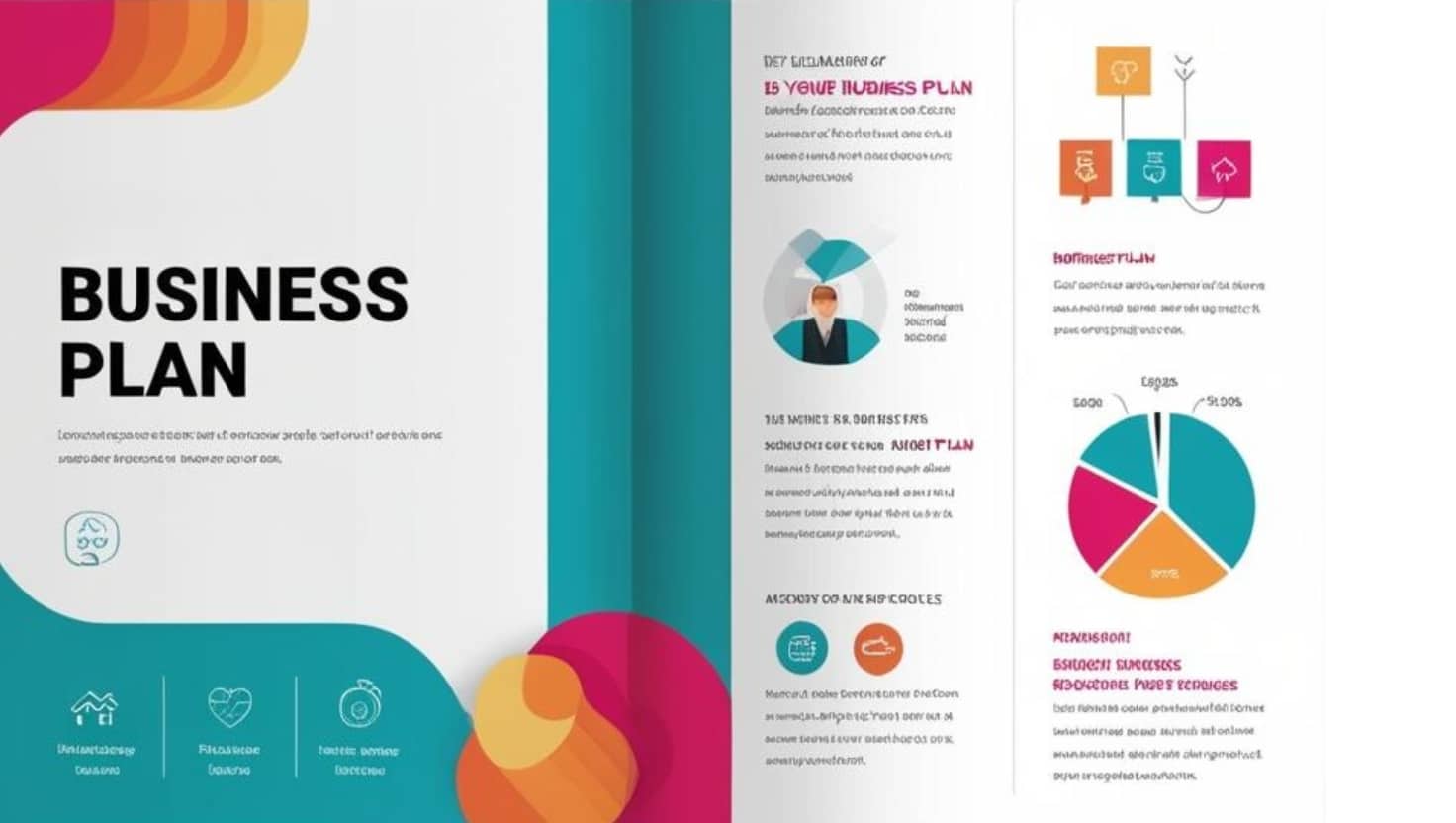
Another kind of evaluation acquiring traction is service plan examination, particularly amongst entrepreneurs looking for formal recognition for their ventures.
What is Business Plan Evaluation?
Business plan assessment involves examining the viability and possible success of a business principle through structured analysis.
How Does it Associate with Academic Credit?
Entrepreneurs might discover that providing their company strategies as part of their work experience results in chances for acquiring scholastic credit in associated fields such as organization management or entrepreneurship studies.
Real-Life Examples of Effective Transformations
1. Case Study: From Building And Construction Manager to Civil Engineer
John spent over 10 years handling building jobs without official engineering qualifications but had comprehensive market knowledge. He looked for an engineering degree but didn't want to retake fundamental courses he had actually currently mastered through experience. Through course-by-course credential assessment and expert opinion letters from previous companies confirming his competence in job management, he was awarded significant credits towards his degree program.
2. Case Research Study: A Chef's Journey
Maria had actually worked as a chef for over fifteen years but did not have official culinary training accreditation. She approached a worldwide credential assessment service to assess her comprehensive cooking background versus formal education standards at culinary institutes-- changing her experiential learning into acknowledged scholastic credits towards a diploma in Cooking Arts.
Frequently Asked Questions (Frequently asked questions)
1. What kinds of work experiences can be evaluated for scholastic credit?
Work experiences appropriate to your wanted field-- such as internships, volunteer roles, or full-time tasks-- can usually be examined based on their alignment with curriculum requirements.
2. The length of time does the credential evaluation procedure take?
The timeframe differs depending on the provider but normally ranges from 2 weeks to a number of months based upon complexity and documentation needs.
3. Exists any expense associated with credential evaluations?
Yes, many worldwide credential examination services charge fees which differ based upon the type of evaluation required (course-by-course vs general).
4. Can I appeal an unfavorable evaluation?
Yes! Numerous organizations have appeals procedures if you believe your qualifications were not properly assessed or valued appropriately.
5. Are expert opinion letters constantly required?
Not necessarily; nevertheless, they reinforce your application significantly by providing extra validation concerning your experiential knowing claims.
6. Can my organization strategy contribute towards my degree?
Absolutely! If you demonstrate considerable entrepreneurial activities lined up with organization coursework objectives, you may receive credits based on an extensive service plan assessment process.
Conclusion
The improvement of work experience into academic credit through different forms of evaluations represents an innovative approach within educational paradigms today-- a combination that adds worth both academically and expertly while acknowledging non-traditional courses students take in getting knowledge and abilities throughout their careers.
By understanding how processes like scholastic credential evaluation function along with course-by-course evaluations and leveraging tools such as skilled opinion letters efficiently-- people can harness their real-life experiences towards attaining meaningful academic goals that reflect their real abilities without duplicating unnecessary coursework!
As our task market continues evolving rapidly toward skill-based assessments rather than exclusively depending on degrees obtained through traditional methods-- it's important we acknowledge these alternative pathways available today! The power lies within examinations; let them assist you towards attaining your aspirations!
This short article works as both a useful guide for people seeking clarity around transforming their professional lives while also showing how essential examinations are within this landscape filled with ever-changing possibilities!